Booking choice: The Avon punt, from $21 per person. Check dates Tour details
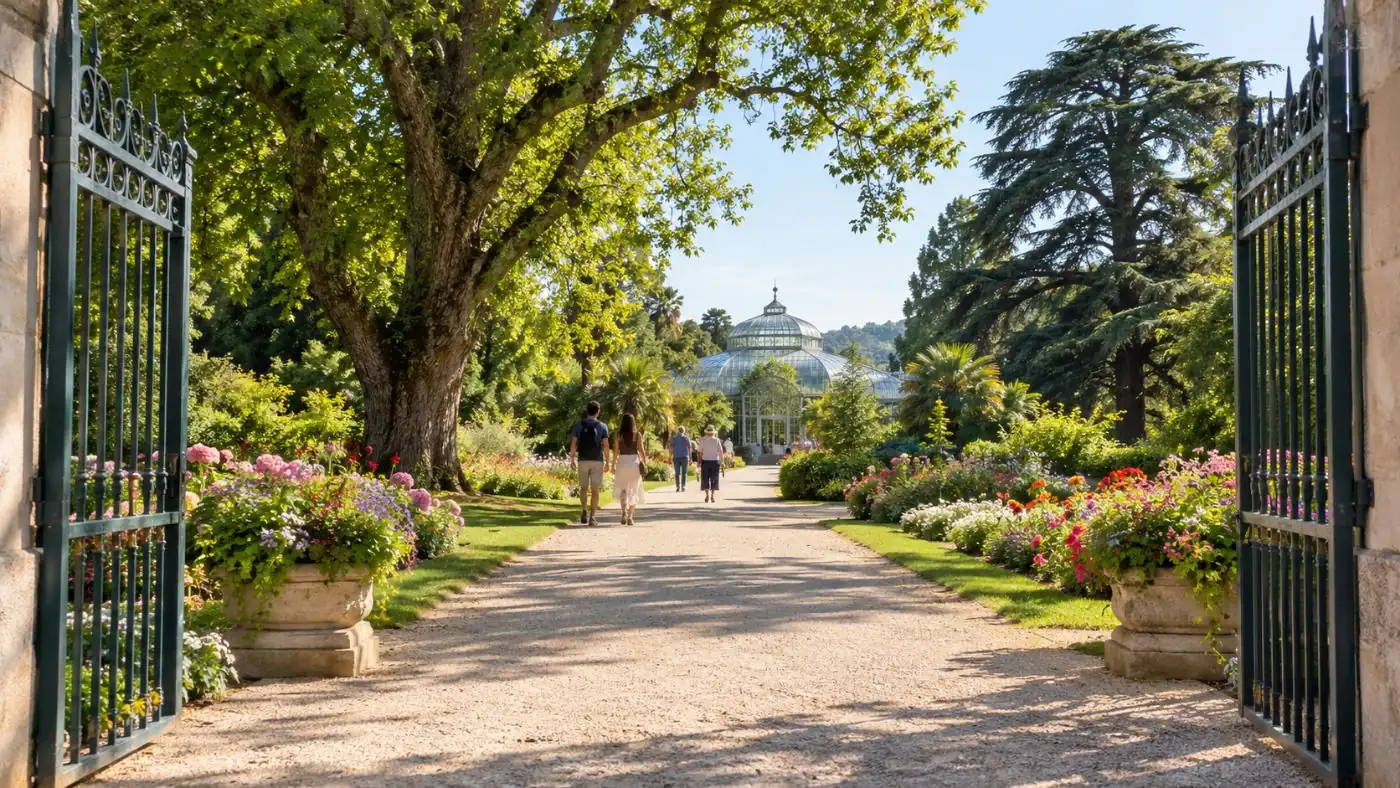
Most visitors to the Christchurch Botanic Gardens see the same three things: the Peacock Fountain, the Central Rose Garden and the inside of Townend House. All three deserve it. But the Gardens have been growing since 1863, and 160 years leave a lot of corners: an observatory where Antarctic explorers checked their compasses, a cactus house you reach through a back door, a deck over a lake that only opened in 2026.
Here are fifteen things to do, the big sights and the lesser-known ones, with where to find them and when they are at their best. Everything on the list is free except the punt.
The quick answer
Walk the Central Rose Garden and the Herbaceous Border, go through Townend House and out the back into Garrick and Gilpin, find the Peacock Fountain, the 1863 Albert Edward Oak, the Magnetic Observatory and the World Peace Bell, walk the New Zealand Gardens to the new Icon Garden deck, and float along the Avon on a punt from the Antigua Boat Sheds. Cuningham House, the big tropical glasshouse, is closed for restoration in 2026.
What is there to do at Christchurch Botanic Gardens?
Fifteen things, in the order you meet them from the Rolleston Avenue gate. The first eight are the main sights; the rest are the quieter corners.
- The Peacock Fountain, cast iron from Coalbrookdale, unveiled in 1911 and restored in 1996.
- The Central Rose Garden, laid out in 1909 and once called the finest in Australasia.
- Townend House, the flowering conservatory, open 10am to 4pm.
- Garrick and Gilpin houses, cacti and orchids, through the back of Townend.
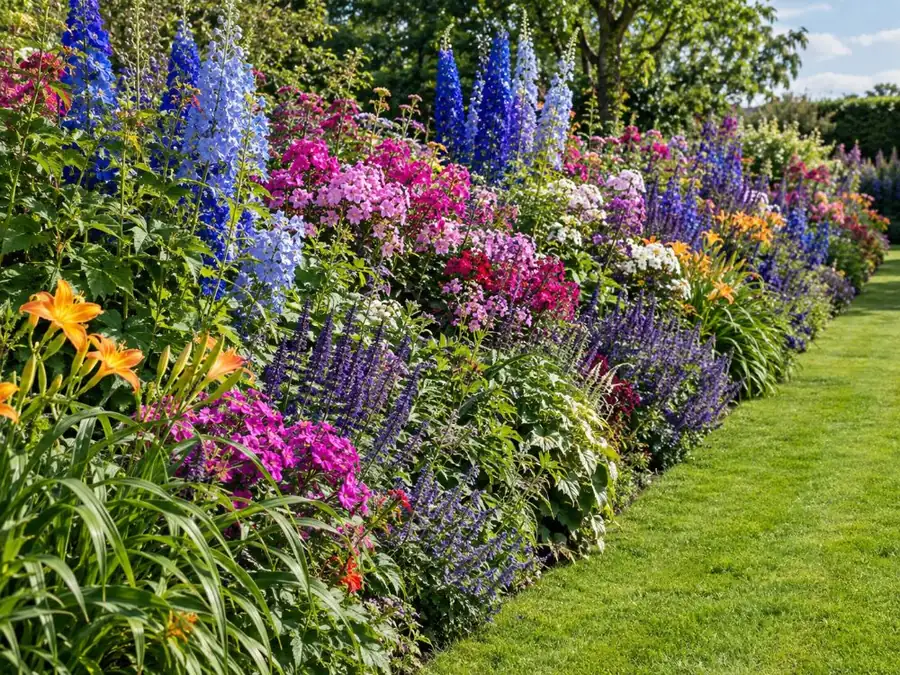
- The Herbaceous Border, believed to be the longest in a public garden in the Southern Hemisphere.
- The New Zealand Gardens and the Icon Garden deck over the lake.
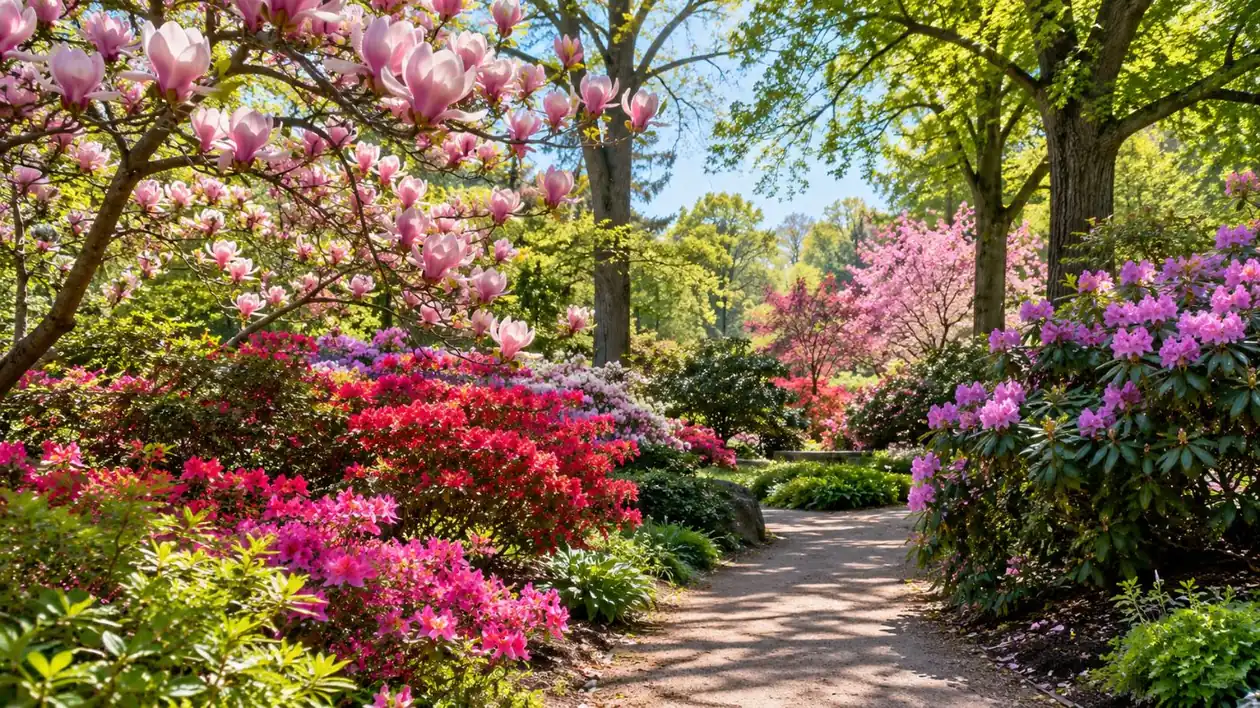
- The Azalea and Magnolia Garden, in flower from mid-October.
- A punt on the Avon from the Antigua Boat Sheds.
- The Albert Edward Oak, the first tree planted, in 1863.
- The Magnetic Observatory, where Scott and Shackleton calibrated their compasses.
- The New Zealand World Peace Bell, unveiled in 2006.
- The Fragrant Garden, made to be touched and smelled.
- The Rock and Heather Garden, off the river path.
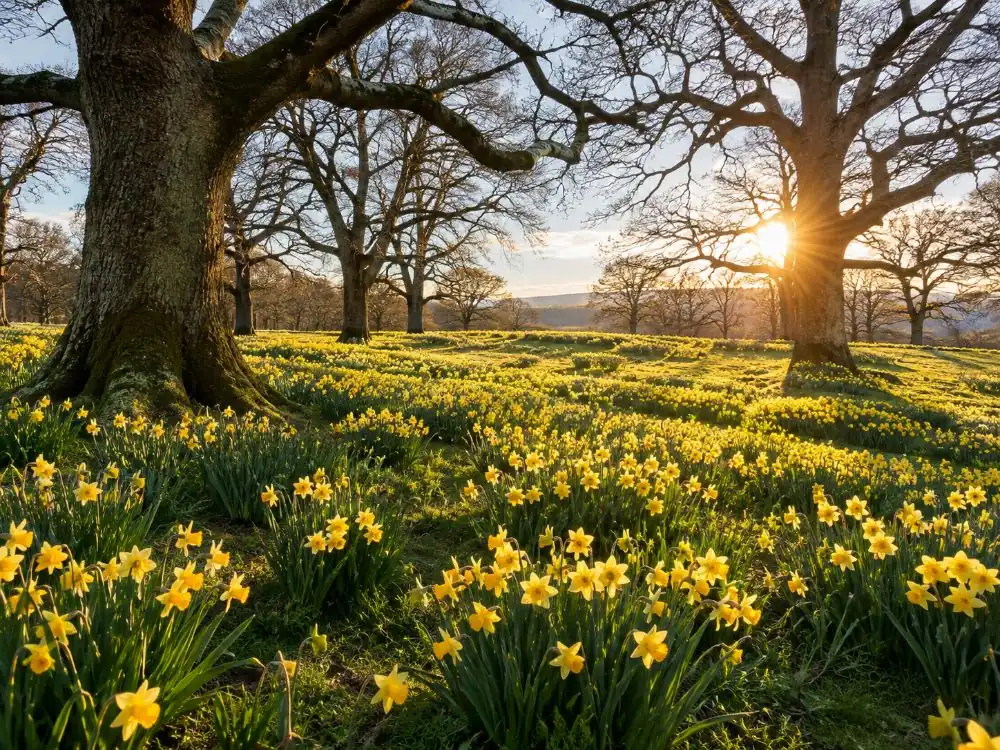
- The Daffodil Woodland across the river, in spring.
- Lunch at the Curator's House, the curator's 1920 home on the river.
Add the Peace Train on Sundays from September to April and a free volunteer walk at 1:30pm from October to April, and you have more than a day.
What should you not miss on a first visit?
The Central Rose Garden, the Herbaceous Border, the open conservatories and the river path. These four carry a first visit in any season.
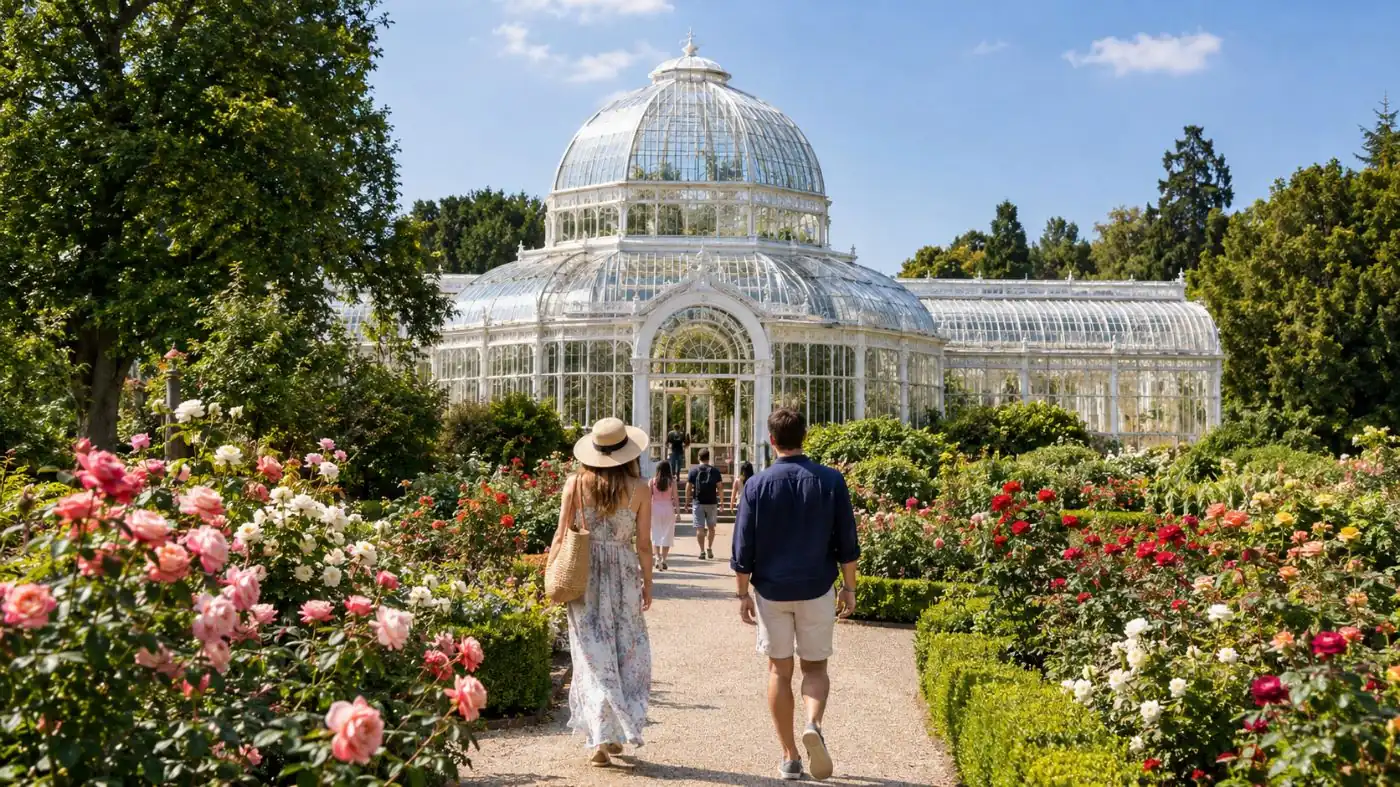
The Central Rose Garden was laid out in 1909 and modelled on the Duchess of Sutherland's rose garden in Herefordshire. It started with 132 beds and almost 2,500 bushes; it has 104 beds today. December is the peak. The lawns between the beds are being re-turfed a quarter at a time, with the rest planned for winter 2026.
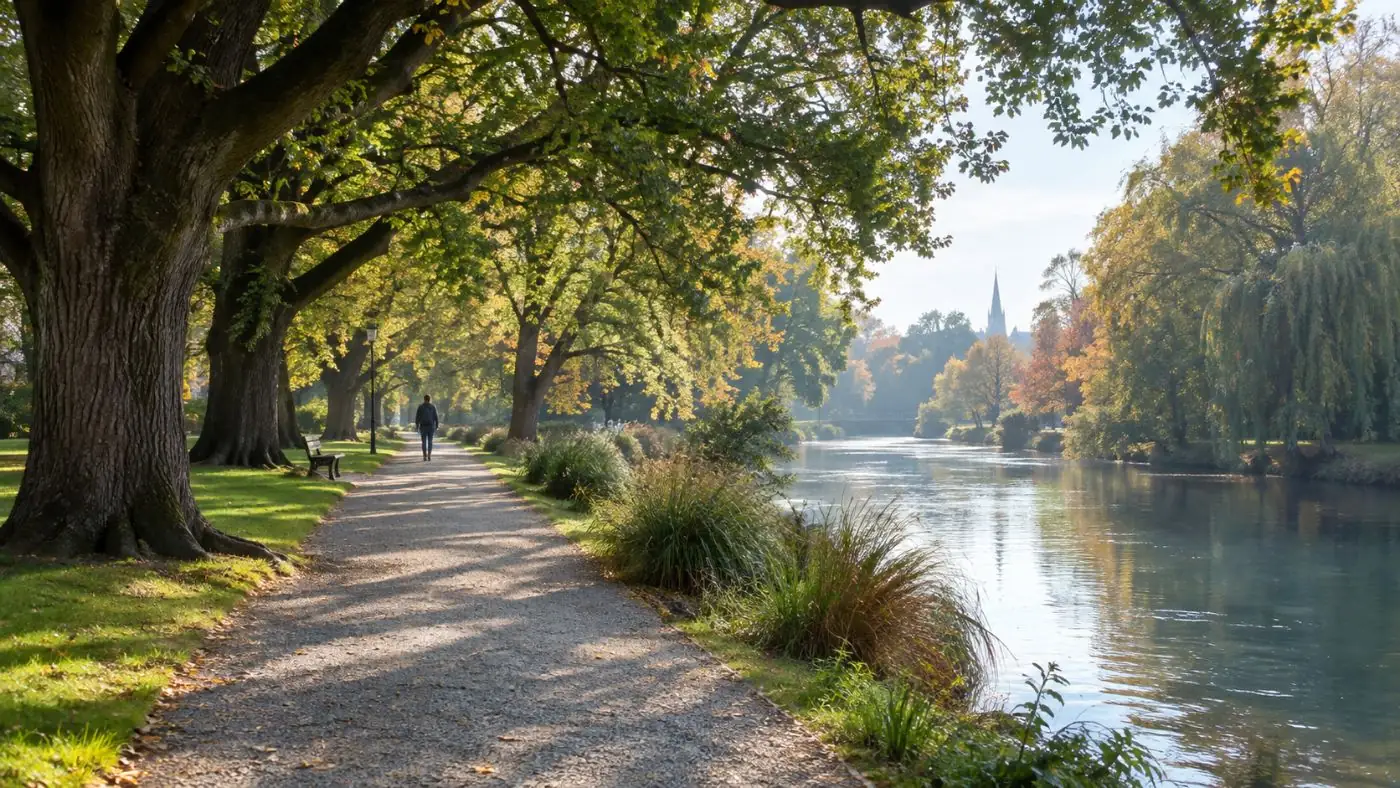
The Herbaceous Border dates from the 1920s and peaks from December to February. The river path runs along the Avon past the Archery Lawn, ringed by cork oak and giant sequoia, and the Temperate Asian Border with its camellias in spring and maples in autumn. Then the glasshouses, below.
What is inside the conservatories?
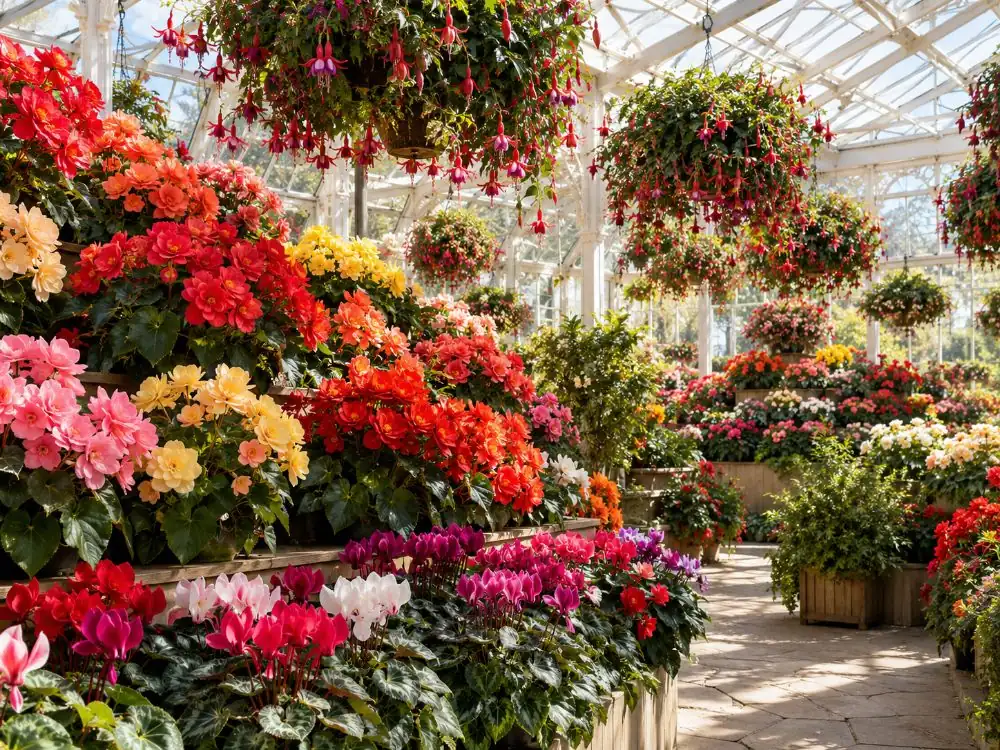
Five houses are open, free, 10am to 4pm: Townend, Garrick, Gilpin, Foweraker and the Fern House. Cuningham House, the large tropical house, is closed for restoration.
- Townend House: the flowering conservatory, rebuilt in 1955 to 1956 on a site used since 1914. Seasonal displays, and much of Cuningham's collection is being kept here during the works.
- Garrick House: the most extensive publicly owned cacti and succulent collection in New Zealand. The door is at the back of Townend, which is why so many people miss it. The display was being refreshed in 2026.
- Gilpin House: orchids, bromeliads, tillandsias and carnivorous plants, through a door at the back of Garrick.
- Foweraker House: the alpine house, opened 1967, beside Cuningham House. Cooler and quieter.
- The Fern House: opened 1955.
Cuningham House opened in 1924 and was called the finest building of its kind in Australia and New Zealand. It closed in late 2024 for a restoration of about NZ$10 million, and no reopening had been confirmed by October 2026. Our restoration post tracks it.
What are the lesser-known corners of the Gardens?
The Albert Edward Oak, the Magnetic Observatory, the World Peace Bell, the Fragrant Garden, the Rock and Heather Garden and the new Icon Garden deck. All free, all within a 10-minute walk of the main paths.
- The Albert Edward Oak, south-west of the Archery Lawn near the river. Enoch Barker planted this English oak on 9 July 1863 to mark the marriage of Prince Albert Edward, later Edward VII, and Princess Alexandra. The council treats it as the Gardens' founding.
- The Magnetic Observatory, built in 1901. Scott and Shackleton calibrated their compasses here before heading south (Christchurch City Libraries).
- The New Zealand World Peace Bell, unveiled on 3 October 2006 in a pavilion built the year before.
- The Fragrant Garden, a 1990 project for visitors with low vision. Rosemary, wisteria, daphne and a curry plant you can smell from the path.
- The Rock and Heather Garden, reached from the river path, with a pond and ground-cover plants.
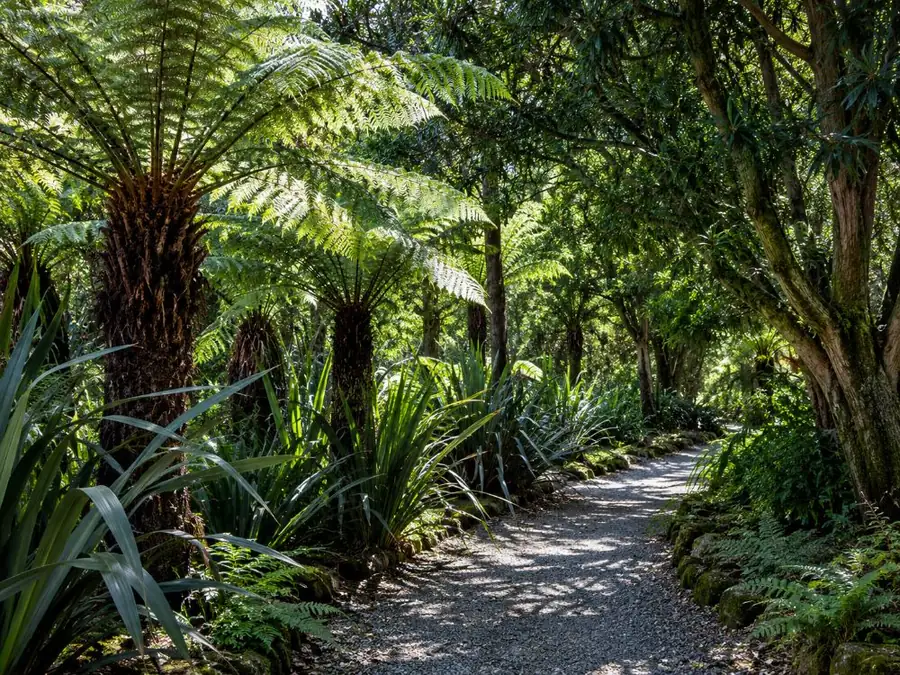
- The Icon Garden deck: a short loop of silver fern, flax, rimu and tree fuchsia, with new step-free paths and a deck over the lake completed in 2026.
- The commemorative trees: a kauri planted by the Prince of Wales in 1920, an oak planted by Queen Elizabeth II for the 1963 centenary, and a beech planted by Prince William on 18 March 2011 for the city's recovery.
- The Wollemi pine near the playground, planted in 2013, the first of its species planted in New Zealand.
Seen the Gardens from the path? See them from the water: 30 minutes from the Antigua Boat Sheds.
Check dates for the Avon puntWhat can kids do at the Botanic Gardens?
Ride the free Peace Train on Sundays, splash in the summer paddling pool, run off steam in the playground and get an ice cream at Lucky Duck. A punt works for kids who can sit still for half an hour.
- The Peace Train: free laps of the Observatory Lawn on Sundays from September to April, 10am to 2pm, leaving from the lawn behind the Kiosk. About 8 minutes a lap at walking pace.
- The paddling pool and playground: a free summer splash pool with a separate pool for small children. No lifeguards.
- Lucky Duck: takeaway in the old Tea Kiosk building by the playground, in summer only (weekdays 10am to 3pm, weekends 10am to 5pm).
- Garrick House: the cacti. Children like the strange shapes, and the carnivorous plants in Gilpin next door.
- The punt: no minimum age, children aged 5 to 15 pay NZ$30 direct, and under-fives go free.
Can you take a guided tour of the Gardens?
Yes, three ways: the free volunteer walks from October to April, the electric shuttle tour for NZ$30, and the punt, which is a guided ride along the Gardens' edge.
Volunteer walks leave from outside the Kiosk at 1:30pm, October to April, and most last 45 to 60 minutes. Themes in October 2026 included notable trees, curious conifers, the rock and crevice garden and a history walk (council tours page). The shuttle tour is a 50-minute electric ride with a live guide, NZ$30 for adults, booked direct with Christchurch Attractions and leaving from behind the Peacock Fountain. It does not take wheelchairs.
The punt is the only one on the water. From the Antigua Boat Sheds, a punter in Edwardian dress poles you along the Avon past the Gardens' lawns for 30 minutes, with commentary. Our punting guide explains why the departure point matters.
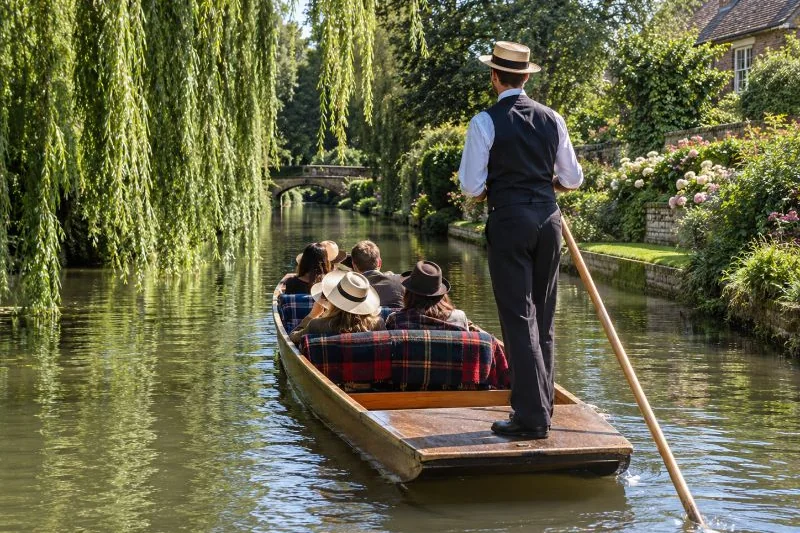
Thirty minutes on the Avon with an Edwardian punter. Choose the Antigua Boat Sheds departure: it is the one that floats along the Gardens.
Explore the Avon punt Tour detailsIs Christchurch Botanic Gardens worth visiting?
Yes. It costs nothing, sits 10 minutes from the city centre, and holds 160 years of planting on 21 hectares. Go in late spring or summer if you can choose.
The case for it: free entry, early opening, flat paths, a river through the middle, and a collection that changes every month. The Central Rose Garden in December and the azaleas and magnolias in October and November are as good as anything in the country. Even in winter, the old trees and the open glasshouses carry a visit.
The honest caveats for 2026: Cuningham House is shut, so there is no big tropical house, and the Canterbury Museum next door is closed until about 2029. Neither spoils the Gardens. If you have only an hour in Christchurch, spend it here. See the best time to visit for month by month.
How does it compare with the top botanical gardens in the world?
There is no official world ranking. The best-known yardstick is UNESCO's World Heritage List, which includes three botanic gardens: Padua, Kew and Singapore. Christchurch is not on it and does not claim to be.
The three on the list: the Orto Botanico in Padua, founded in 1545 and the oldest university botanic garden still on its original site; the Royal Botanic Gardens, Kew in London, listed in 2003; and the Singapore Botanic Gardens, listed in 2015. Each is a research institution on a scale Christchurch does not try to match.
What Christchurch offers instead is a mature 19th-century public garden in the middle of a city, with about 50,000 species listed and around 550,000 visitors a year by Wikipedia's count, free and open from 7am. It sits in Hagley Park, part of the reason Christchurch calls itself the Garden City. Judge it as that and it does very well.
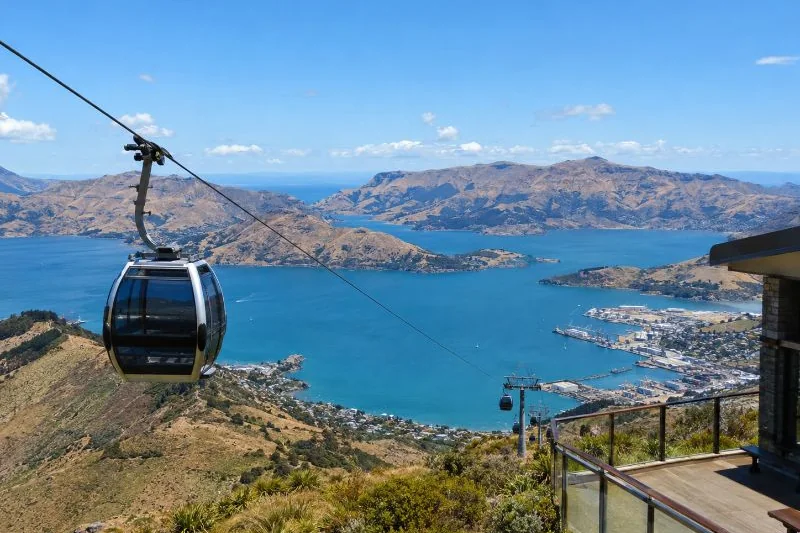
Make the Gardens one stop of three: the tram to the gate, a punt along the lawns, then the gondola.
Check dates for the tram, punt and gondola comboFrequently asked questions
How long should I spend at the Botanic Gardens?
Two hours covers the main sights and a few quiet corners. Add two more for a punt, lunch and the Daffodil Woodland. See our three walking routes.
Where can you eat in the Gardens?
The ilex cafe in the Visitor Centre (9am to 5pm, 4pm in winter), Lucky Duck by the playground in summer, and the Curator's House, a Spanish and tapas restaurant open seven days.
Is Cuningham House open in 2026?
No. It closed in late 2024 for a restoration of about NZ$10 million. The other conservatories are open, free, 10am to 4pm.
Are there events in the Gardens?
Yes: the Sunday Peace Train from September to April, daily volunteer walks from October to April, and talks at the Kiosk. Big concerts like Sparks are held in Hagley Park next door.
Ready to book
Choose your ride
Free cancellation up to 24 hours before on every option. Prices are from-prices in USD and move with the season.
30-Minute Punt on the River Avon
- 30-minute shared punt ride
- Punter and guide with live commentary
- Blankets and hot water bottles if it is cold

Tram, Punt & Gondola Combo Ticket
- All-day hop-on hop-off heritage tram pass
- 30-minute guided punt with commentary
- Return gondola ride and the Discovery Ride at the summit
Gondola Ticket & Avon Punt Ride
The punt by the Gardens, then the Port Hills summit